On Poor Materials and DIY Culture
Walter Benjamin once said, ”The class struggle, is a struggle for the rough and material things, without which there is nothing fine and spiritual.”
It is not hard to recognize that some things are exquisite than others, naturally or manmade, instinctively or taught. Art has always been historically on the finer side of the scale with high regards as “the finer things of life”, royalty and nobles having their portrait drawn, meanwhile as the bourgeoisie admire. An art object, a canvas meticulously painted or a sculpture carved was a prized possession with a high value. Art’s longstanding status in society has always been prestigious.
During the 1960s, driven by the unstable political and economic turmoil in their country, a group of Italian artists involved themselves in a radical art movement known as the Arte Povera, literally meaning “Poor Art”. The meaning of “poor” was not in the economic sense, but the reduction to a plain and uncomplicated visual language. The movement is extinguished by the use of humble, often ephemeral materials and the exploration of a wide range of materials beyond the traditional ones of oil paint on canvas, bronze, or carved marble. An anti-institutional quality was present in the background in their works as their arrangement of readily available, cheap and materials, sometimes handcrafted, of the everyday as criticism, aimed to challenge and disrupt the values of the commercialised contemporary gallery system, and in a broader sense an attempt to takedown the unrealized promises of the post-industrial world.
Since then, a breath of new air had blew across in the time dominated by minimalism and outsourcing of artistic labour by the artist to skilled workers, artists begin to gravitate towards notions of poverty in order to counteract a world that is in the course of becoming increasingly technological and alien. The poor image, poor materials, poor acting, and the amateur and Do-It-Yourself. It was the embodiment of a desire to return to a simpler time.
Robert Rauschenberg is famous for rehabilitating discarded objects and materials into his work. “Stuff” such as newspapers, cardboard boxes, painted charts, bits of old fabrics, fans, magazine images, car parts, tires, ironing boards, stuffed animals, light bulbs, radios, the list goes on. To Rauschenberg, they were “things” rather than “junk”. They possessed their own histories, which extended beyond moments of failure or depletion that had marked them for disposal. He famously remarked, “A pair of socks is no less suitable to make a painting with than wood, nails, turpentine, oil and fabric.” Fully embracing the use of poor materials, he prefers to present the combined objects with their materiality as they were rather than altering their original nature.
The Cardboards are wall sculptures made from found cardboard boxes that have been cut, stapled, bent, and combined by the artist but retain their original history through their stains, dents, and tears acquired in their usage, in addition to their inherent color and labeling. Cardboard boxes are pretty much at the bottom in terms of possible art materials. They are cheap, disposable containers for other things. Rauschenberg has said he tries “to act in that gap between” art and life.
The use of cardboard boxes was a reflection on the economic and material shifts that would later be described by the term “globalization”. He chose cardboard as the material because it was available anywhere in the world, due to global changes in the packing and distribution of consumer goods. These pieces of cardboard were collected from different parts of the world manufactured to contain different types of products.
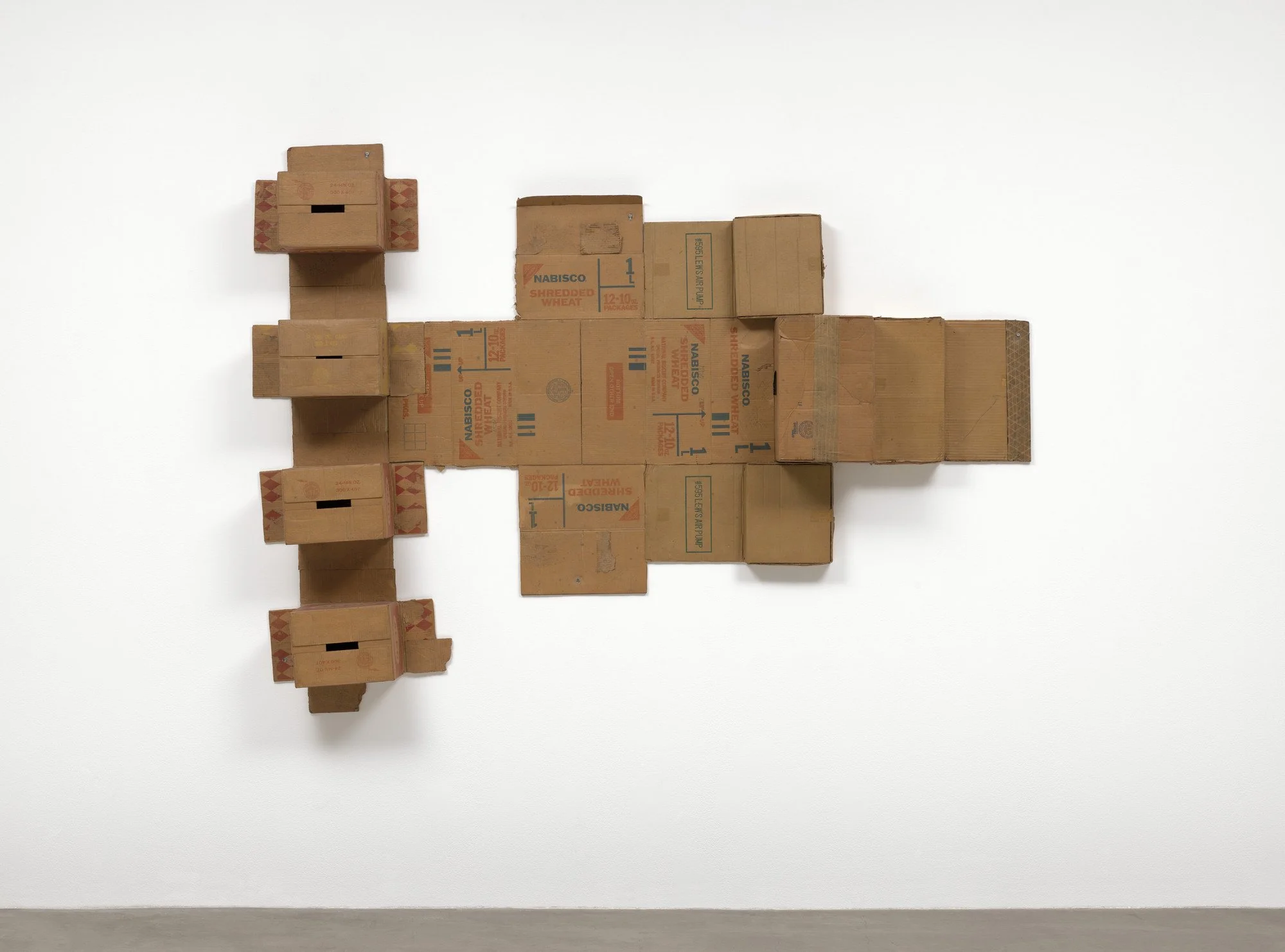
Fig. 1 - Robert Rauschenberg. Nabisco (Shredded Wheat). 1971
A more recent example of artists embracing the amateur and the poor is Assemble, a collective of 15 people with their original profession ranging from architects, artists and designers. Started out as a group of people who wanted to do something different in their professions, they were most famously known for their ongoing collaboration with local residents and others in the Granby Four Streets, Liverpool that eventually led them to win the Turner Prize in 2015. The starting initiative of the project was a street of abandoned houses unattended for years, left to disintegrate without any government action. A group of four residents striving to preserve the street with their own efforts of gentrification: repainting walls, clearing out weeds until Assemble stepped in to combine efforts.
Granby Four streets is an open-ended cross-disciplinary architecture/art project, it combines functionality with aesthetics with the loose and explorative elements of the amateur spirit and DIY sensibility. Combining different expertise, they work with house builders and engineers to discovering new possibilities in the process of making like making ceramic doorknobs and firing them by the barbeque. Besides the refurbishment of 10 houses, Assemble has worked with the community to establish the Granby Workshop, a social enterprise selling items for the home, some of them made from the rubble of the demolished buildings. Craft workshops like ceramics and woodwork are also held for local residents and people who are interested in contributing to the project.
The aim and purpose of this project is to celebrate the value of the area’s architectural and cultural heritage, supporting public involvement and partnership working, offering local training and employment opportunities and nurturing the resourcefulness and DIY culture that defines the Granby community. A community of people gradually formed with a goal in mind: to revitalize the area. The Granby Four Streets project is an excellent demonstration of the power of collaboration, of what can be done when individuals come together with a single goal and do something. Rather than waiting for the government to take down the houses, locals took the initiative for change. It is a gesture to take control and to fight for something that you believed in, in this case, the will to preserve the local culture of Granby.
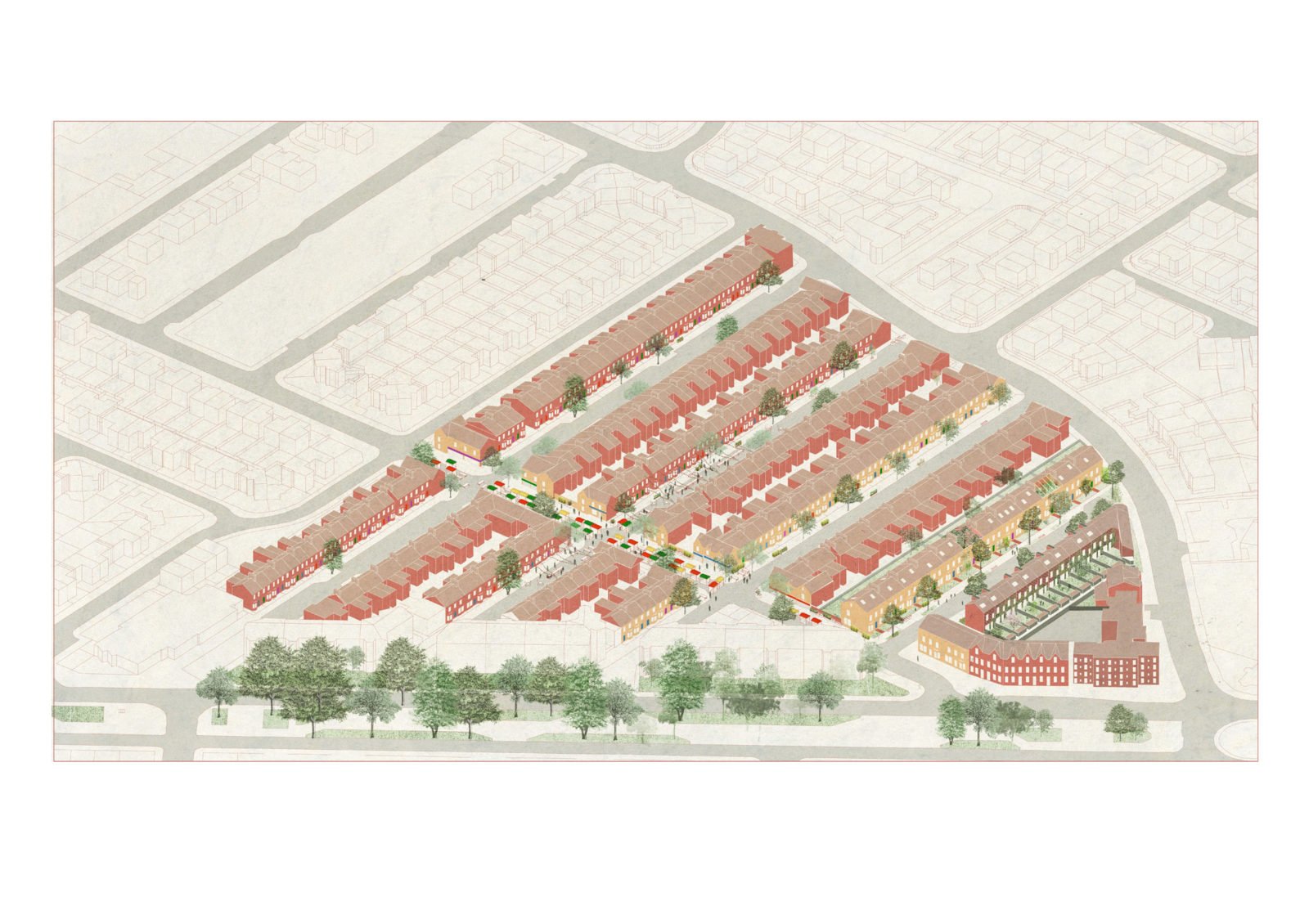
Fig. 2 - Assemble. Granby Four Streets. 2013
Michaelangelo Pistoletto remarked: “A direction established in advance goes against man’s freedom. To determine tomorrow in advance means, tomorrow I am not free; and to stick with a pre-established idea means to be a reflection of the past and to be robbed of one’s free will.” The amateur and the untrained strive to challenge establishment, determined to fight a predetermined definition by history of what is considered as art with a free spirit and mind.
The aftermath of artists giving up on established categories of refinement, value and expertise and aspiring to poverty is a challenge on expertise and experience; of the abiding power of established aesthetics and notions of “what art should be”. Instead of conforming, it intends to break free of tradition and instead ask “what art could be”. With artists having the amateur mindset and the curiosity of a scientist, tirelessly experimenting, figuring out how something could be made without following a set of instructions completely or attend proper training on the subject. It diversifies the role of an artist.
Subverting the traditional art subject, the beautiful, the elegant, the strong, and the rare. The idea of art should be something different from everyday life was also abandoned. Instead of celebrating the powerful, it is now modest and ordinary. Like Rauschenberg selecting materials on the streets, picking up “things” along the way. Easily attainable, materials are so available in large quantities. It has made art less intimidating.
The dematerialisation of the art object accelerates the process of bringing high art down its high pedestal. With art abandoning its form as a large canvas or heavy sculpture, to a piece of wire, cardboards, transportation and showcase of an artwork could be anywhere. “The new dematerialized art provides a way of getting the power structure out of New York. Much art now is transported by the artist rather than by circulating exhibitions or information networks. (Lippard, 1997)
In their time, the dematerialization of art had successfully resisted the art market. However, in time, these works were also accepted as “high” art category, their value came from the fame of the artist who made these work in poor materials, and these works could be in turn be bought and sold just as a traditional painting could be bought and sold. The art market had adjusted itself, cannibalizing the efforts of these artists who aspire to resist the art market.
The amateur and the alternate also provide resilience to mass media culture. Zines, a self-producing, self-publishing, small production circulation, it began a true culture of resistance initiated by a small and unknown group of people. It was a vernacular radicalism, an indigenous strain of utopian thought. Zinsters consider what they do as an alternative gateway to strike against commercial culture and consumer capitalism. Defining themselves against a society predicated on consumption, the central ethic of DIY do-it-yourself: to make your own culture and stop consuming that which is already made for you. Zines enable those without power to also have the capability to create a culture – one that rises out of their understanding of the world. The Do-It-Yourself gives a voice to the everyday person.
Artists and the public are continuously fighting for this realization of a utopian ideal of what creativity could be. Aesthetics of poverty and Do-It-Yourself provides a platform for people to connect from all sectors. It is an on-going revolution of the everyday, a fight to achieve an idealistic goal to resist the norms of society and a niche market that turns into sensationalism. It is a way of life, a look on the world from an alternative and uncensored perspective.
Ending with a quotation from Rauschenberg, “I’m for yes, No excludes. I’m for inclusion.”
Bibliography
ASSEMBLE. (2017). Granby Four Streets. [online] Available at: http://assemblestudio.co.uk/?page_id=862 [Accessed 24 Apr. 2017].
Baier, S., Bürgi, B., Anselmo, G., Cerizza, L., Meyer-Stoll, C., Vettese, A. and Schumacher, R. (2012). Arte povera - the great awakening. 1st ed. Ostfildern, Germany: Hatje Cantz, p.21.
Benjamin, W. (2017). Frankfurt School: On the Concept of History by Walter Benjamin. [online] Marxists.org. Available at: https://www.marxists.org/reference/archive/benjamin/1940/history.htm [Accessed 20 Apr. 2017].
Celant, G. (2017). Arte Povera: Notes for a guerrilla war. [online] Flash Art. Available at: http://www.flashartonline.com/article/arte-povera/ [Accessed 22 Apr. 2017].
Dickerman, L., Borchardt-Hume, A. and Bois, Y. (2016). Robert Rauschenberg. 1st ed. London: Tate Publishing, p.291.
Duncombe, S. and Microcosm Publishing. (2008). Notes From Underground: Zines and the Politics of Alternative Culture. 1st ed. Bloomington: Microcosm Publishing, pp.184-203.
Higgins, C. (2015). Turner prize winners Assemble: 'Art? We're more interested in plumbing'. The Guardian. [online] Available at: https://www.theguardian.com/artanddesign/2015/dec/08/assemble-turner-prize-architects-are-we-artists [Accessed 21 Apr. 2017].
Klaasmeyer, K. (2017). "Robert Rauschenberg: Cardboards and Related Pieces". [online] Houston Press. Available at: http://www.houstonpress.com/arts/robert-rauschenberg-cardboards-and-related-pieces-6543622 [Accessed 24 Apr. 2017].
Laing, O. (2016). Robert Rauschenberg and the subversive language of junk. The Guardian. [online] Available at: https://www.theguardian.com/artanddesign/2016/nov/25/robert-rauschenberg-and-the-subversive-language-of-junk-tate [Accessed 19 Apr. 2017].
Lippard, L. (1997). Six years: the dematerialization of the art object from 1966 to 1972: a cross-reference book of information on some esthetic boundaries: consisting of a bibliography into which are inserted a fragmented text, art works, documents, interviews, and symposia, arranged chronologically and focused on so-called conceptual or information or idea art with mentions of such vaguely designated areas as minimal, antiform, systems, earth, or process art, occurring now in the Americas, Europe, England, Australia, and Asia (with occasional political overtones). 1st ed. Berkeley [etc.]: University of California Press, p.14.
Malsch, F., Meyer-Stoll, C., Pero, V. and Disch, M. (2010). Che fare?. 1st ed. Heidelberg: Kehrer, pp.12-13.
Rauschenberg, R., Lawrence, J., Richardson, J., Davidson, S. and Wingate, E. (2011). Robert Rauschenberg. 1st ed. Munich: Prestel, p.13.
Robert Rauschenberg Foundation. (2017). Cardboard (1971–72). [online] Available at: http://www.rauschenbergfoundation.org/art/series/cardboard [Accessed 22 Apr. 2017].
Tate (2015). Turner Prize 2015 artists: Assemble. [video] Available at: http://www.tate.org.uk/whats-on/tramway/exhibition/turner-prize-2015/turner-prize-2015-artists-assemble [Accessed 22 Apr. 2017].
Images
Plain Salt (Cardboard), 1971
Robert Rauschenberg Foundation. (2017). Cardboard (1971–72). [online] Available at: http://www.rauschenbergfoundation.org/art/series/cardboard [Accessed 22 Apr. 2017].
Lake Placid / Glori-Fried / Yarns from New England (Cardboard), 1971
Robert Rauschenberg Foundation. (2017). Cardboard (1971–72). [online] Available at: http://www.rauschenbergfoundation.org/art/series/cardboard [Accessed 22 Apr. 2017].
Grandy Four Streets plan
Assemble (2017). [image] Available at: http://assemblestudio.co.uk/?page_id=862 [Accessed 23 Apr. 2017].